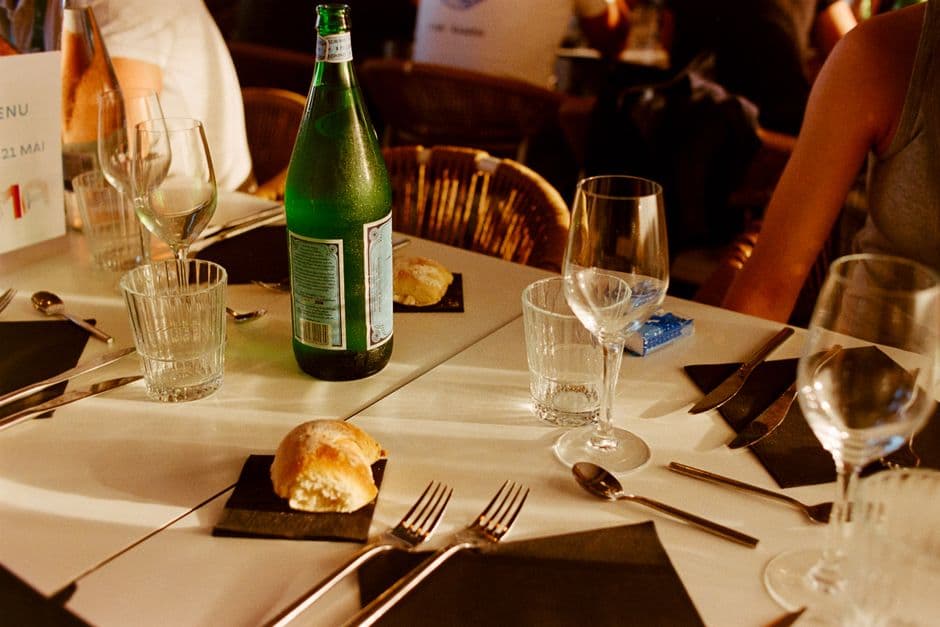
The timber-framed houses of Colmar’s Petit Venise lean over canals that reflect the golden light of late afternoon, but the true warmth of this Alsatian jewel comes from its kitchens. Here, the culinary tradition reflects a centuries-old dialogue between French technique and Germanic heartiness. For the traveler, navigating Colmar’s dining scene offers a unique opportunity to taste history in every bite, from the pungent aroma of fermented cabbage to the delicate sweetness of spiced wines. This guide explores the essential dining experiences in Colmar, helping you move beyond the tourist traps to find authentic flavors that define the region.
The Soul of Alsace: Understanding Traditional Cuisine
To truly appreciate dining in Colmar, one must first understand the cultural fusion that defines Alsatian cuisine. This region, situated on the border of France and Germany, has been contested by both nations throughout history, and its food is a delicious testament to that shared heritage. The result is a cuisine that balances the richness of German meats and breads with the refinement of French sauces and vegetable preparations. It is hearty, comforting, and deeply seasonal, relying on local ingredients that have been preserved through winters that once lasted for months.
Central to any discussion of Alsatian food is the concept of *Baeckeoffe*. This slow-cooked casserole of marinated meats—typically lamb, pork, and beef—simmered with potatoes and onions, is the ultimate comfort food. The meat is marinated in wine and spices for days before being baked low and slow, resulting in textures that are incredibly tender and flavors that are complex and deep. Another staple is *Choucroute Garnie*, which features fermented cabbage served with an array of sausages, smoked pork, and ham. It is a communal dish, meant to be shared, and it embodies the generous spirit of Alsatian hospitality.
Vegetables play a crucial role as well, particularly leeks and onions, which are often prepared in sweet and savory ways that highlight their natural sugars. The use of cream, butter, and heavy sauces is common, reflecting the agricultural wealth of the surrounding plains. However, the cuisine is not without its lighter side, as fresh salads and delicate fish dishes from the nearby streams provide balance. Understanding these foundational elements helps diners make informed choices when looking at menus in Colmar’s many establishments.
The Winstub Experience: Wine and Food in Harmony
Visiting a *winstub* is a central part of any culinary journey in Colmar. This traditional Alsatian wine tavern is more than just a restaurant; it is a cultural institution where the focus is equally divided between the food and the wine. The word itself derives from the German *Weinstube*, meaning wine room, and these establishments are characterized by their rustic decor, often featuring exposed wooden beams, checkered tablecloths, and walls adorned with wine posters. The atmosphere is informal and convivial, encouraging long conversations and leisurely meals.
In a winstub, the menu is typically straightforward, focusing on local specialties that pair perfectly with the house wines. You will rarely find an extensive list of international dishes; instead, the chef serves what the local soil produces. This simplicity ensures that the food complements rather than competes with the wine. Riesling, Gewurztraminer, Pinot Gris, and Sylvaner are the white grapes that dominate the region, each offering distinct aromatic profiles that can enhance specific dishes. For example, a floral Gewurztraminer pairs beautifully with spicy curry chicken or rich choucroute, while a crisp Riesling cuts through the fattiness of roasted pork.
Visiting a winstub is also an educational experience. Many owners are passionate about their wines and are happy to explain the nuances of their selections. It is common for the wine to be served directly from the cellar, often in demijohns or carafes, emphasizing freshness and authenticity. The service is usually warm and unpretentious, making it easy for visitors to feel like locals. This setting provides a stark contrast to the more formal dining rooms found elsewhere in the city, offering a genuine glimpse into daily life in Alsace.
Fine Dining in Colmar: Elevating Regional Flavors
While winstubs offer a rustic charm, Colmar also boasts a sophisticated fine dining scene that reinterprets traditional Alsatian ingredients with modern techniques. These restaurants focus on presentation, precision, and innovation, transforming humble ingredients into artistic masterpieces. The fine dining establishments in Colmar often hold Michelin stars or high ratings in international guides, attracting food enthusiasts from around the world who seek a more elevated experience.
At these upscale venues, chefs deconstruct classic dishes to highlight individual components. A traditional *Tarte Flambée* might be served as a delicate appetizer with exotic toppings, while *Baeckeoffe* could be presented as a refined main course with modern garnishes. The focus is on texture and flavor contrast, using techniques such as sous-vide cooking, foams, and gels to create unexpected sensations. Despite the modern approach, the core ingredients remain local, ensuring that the essence of Alsace is preserved even in the most avant-garde presentations.
The service in fine dining restaurants is meticulous and professional, with sommeliers offering detailed wine pairings that enhance each course. The ambiance is typically elegant, with attention to detail in table settings, lighting, and decor. These experiences are often multi-course affairs that can last several hours, allowing diners to fully immerse themselves in the culinary narrative. For those seeking a memorable evening, these restaurants provide a chance to see how far Alsatian cuisine can evolve while staying true to its roots.
Essential Tips for Dining in Colmar
Navigating the dining scene in Colmar can be overwhelming for first-time visitors. To ensure a seamless and enjoyable experience, consider the following practical advice. These tips will help you avoid common pitfalls and maximize your culinary enjoyment in this charming city.
- Book reservations well in advance, especially for popular winstubs and fine dining restaurants, as tables fill up quickly during peak tourist seasons.
- Try to visit during lunch hours if you want to experience a bustling atmosphere without the long waits typical of dinner service.
- Learn a few basic French phrases, such as "Bonjour" and "Merci," as this shows respect and often leads to warmer service from staff.
- Avoid restaurants with large photos of dishes outside, as these are often tourist traps with lower quality food and higher prices.
- Ask for the "formule du jour" (daily menu) for a more affordable option that still offers high-quality local ingredients.
Additionally, be mindful of the dining hours. In France, lunch is typically served from 12:00 PM to 2:00 PM, and dinner from 7:00 PM to 10:00 PM. Many kitchens close between these times, so plan your meals accordingly. Also, consider the weather; dining al fresco is a delightful experience in the summer, but indoor seating is preferred during the colder months. Finally, don't hesitate to ask your server for recommendations, as they can guide you to the best seasonal dishes and wine pairings.
Seasonal Specialties and Festive Traditions
Colmar’s culinary calendar is deeply tied to the seasons and local festivals. In autumn, the harvest brings fresh mushrooms, truffles, and grapes, leading to a surge in dishes that highlight these ingredients. This is also the time for *Vendanges*, the grape harvest, where many restaurants offer special menus featuring the new vintage wines. Winter, on the other hand, is dominated by the Christmas markets, which introduce a different side of Alsatian food culture.
During the Christmas season, the air is filled with the scent of *Bretzels* (pretzels) and *Mandelbrot* (almond bread). Visitors can enjoy *Vin Chaud*, a spiced mulled wine that warms the soul on cold evenings. Restaurants often introduce special holiday menus featuring game meats, such as venison or wild boar, prepared with rich sauces and accompanied by seasonal vegetables. These festive dishes are an integral part of the local tradition and offer a unique taste of Alsace during the holiday period.
Spring and summer bring a lighter touch to the menu, with an emphasis on fresh vegetables, herbs, and river fish. Dishes featuring asparagus, peas, and young greens become prominent, reflecting the renewal of the landscape. This seasonal variation ensures that there is always something new to discover, encouraging repeat visits and a deeper appreciation for the local terroir. Embracing these seasonal changes allows diners to experience the full spectrum of Alsatian culinary traditions.
Frequently Asked Questions
Is Colmar expensive for dining?
Dining in Colmar can range from affordable to quite expensive, depending on the type of establishment. Winstubs and casual bistros offer reasonable prices, with main courses typically ranging from 15 to 25 euros. Fine dining restaurants, however, can charge significantly more, with tasting menus costing upwards of 100 euros per person. It is advisable to set a budget beforehand and look for lunch specials or daily menus to save money.
Do I need to make reservations?
Yes, reservations are highly recommended, especially for dinner and on weekends. Many popular restaurants in Colmar are small and fill up quickly. For fine dining establishments, booking weeks in advance is often necessary. Even for casual winstubs, having a reservation ensures you get a table at your preferred time, avoiding long waits that can disrupt your evening plans.
What are the best times to visit Colmar for food?
Colmar is a year-round destination for food lovers, but each season offers unique experiences. Autumn is ideal for wine enthusiasts and those who enjoy hearty, warming dishes. Winter is perfect for experiencing the Christmas markets and festive cuisine. Spring and summer are best for outdoor dining and lighter, fresh meals. Ultimately, the best time depends on your personal preferences and the specific culinary experiences you seek.
Where to Start Your Colmar Food Tour
Colmar’s dining scene is a mix of tradition and innovation, offering something for every palate. From the rustic charm of winstubs to the refined elegance of fine dining, the city offers a wide-ranging culinary experience that reflects its unique cultural heritage. By understanding the basics of Alsatian cuisine and following practical tips, visitors can navigate this gastronomic landscape with confidence. Start your journey by visiting a local winstub to savor the authentic flavors of the region, and let the warmth of Alsatian hospitality guide your culinary adventures.