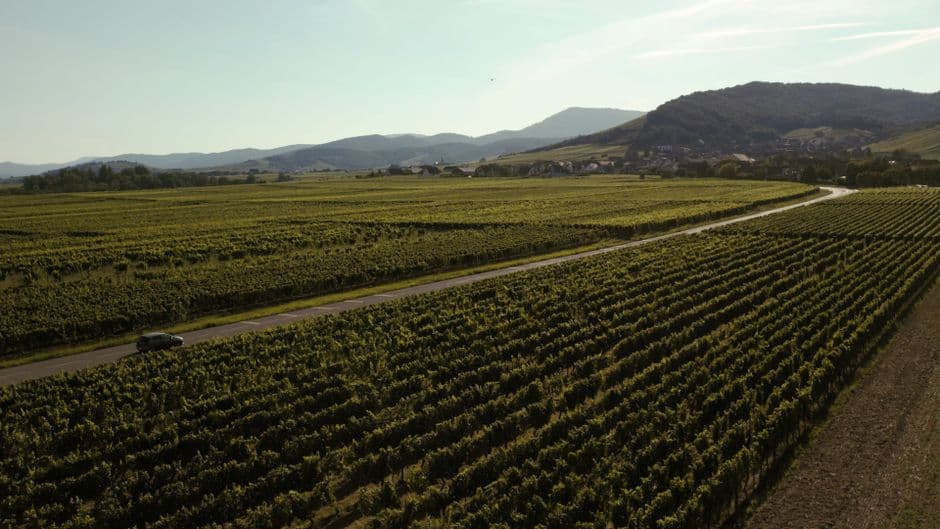
Golden half-timbered houses lean over cobblestone streets, while the scent of spiced wine and ripe Riesling hangs heavy in the crisp autumn air. The Alsace Wine Route stretches 170 kilometers along the eastern edge of the Vosges Mountains, weaving together French winemaking precision and Germanic architectural charm.
The Allure of the Vineyard Corridor
The Alsace Wine Route, known locally as the Route des Vins d'Alsace, is a protected landscape that winds through some of France’s most picturesque villages. Unlike the sprawling vineyards of Bordeaux or the rolling hills of Burgundy, Alsace is defined by its steep, sun-drenched slopes facing east and southeast, sheltered from westerly weather by the Vosges mountains. This orientation maximizes morning sunlight exposure, which is crucial for ripening the region’s signature white grape varieties. The route serves as both a tourism artery and a cultural preservation zone, protecting the integrity of the terroir and the traditional village layouts.
Travelers often mistake this region for a generic European countryside, but the distinct architectural style tells a different story. The colombage (half-timbered) houses, with their intricate wooden frameworks and colorful flower boxes, reflect centuries of German influence before the region was firmly established in France. This cultural duality extends to the cuisine and the wine labels, creating an experience that feels distinctly separate from the rest of France. The route is meticulously maintained, ensuring that the drive itself is a leisurely activity rather than a mere transit between points.
Key Villages and Architectural Gems
While the entire route is beautiful, certain villages stand out for their preservation and charm. Colmar is the most famous stop, renowned for its canals and the Little Venice district. However, for a more authentic wine-focused experience, smaller villages offer a quieter, more intimate atmosphere. Eguisheim is often cited as one of the most beautiful villages in France, with its circular layout centered around a medieval castle. The streets here are narrow and pedestrian-friendly, perfect for wandering between boutique wineries.
Riquewihr and Ribeauvillé are other essential stops. Riquewihr looks like a scene from a fairy tale, with its steep, winding streets and well-preserved fortifications. Ribeauvillé, slightly larger, sits at the foot of the Schlossberg hill and is home to three historic cellars. Beyond these, the Château du Haut-Kœnigsbourg dominates the skyline near Orschwiller. Although its restoration in the early 20th century blends historical accuracy with romantic fantasy, the views from its towers are unparalleled. It serves as a dramatic backdrop to the vineyards below, reminding visitors of the region’s strategic importance throughout history.
Understanding the Wines and Terroir
Alsace is primarily a white wine region, producing some of the world’s finest Riesling, Gewürztraminer, Pinot Gris, and Muscat. The volcanic and limestone soils of the Grand Cru sites impart a unique minerality and complexity to these wines. Unlike many French wines, Alsace wines are typically varietal, meaning the grape name appears prominently on the label. This transparency helps consumers choose wines based on their preferred flavor profile, from the floral and aromatic Gewürztraminer to the crisp, acidic Riesling.
The concept of Grand Cru in Alsace is strictly regulated, with 51 designated sites that represent the highest quality potential of the region. These wines are often dry, with high acidity and aging potential. However, the region also produces Vendange Tardive (late harvest) and Sélection de Grains Nobles (noble rot) wines, which are sweet, luscious, and incredibly complex. These dessert wines are the result of meticulous hand-picking and specific weather conditions, making them rare and highly sought after by collectors. Understanding this hierarchy helps visitors navigate the vast selection of local producers.
Practical Tips for Your Journey
Planning a trip to the Alsace Wine Route requires some logistical foresight to maximize enjoyment. The region is best explored at a slow pace, allowing time for tastings and village exploration. Here are specific tips to enhance your experience:
- Strasbourg is the ideal gateway city, located just two hours from Paris via the high-speed TGV train, with direct connections available from Charles de Gaulle Airport for international travelers.
- Visit during October for the Vignobles en Scène festival, a region-wide food and wine weekend that offers special events and tastings across numerous villages.
- Time your trip for November and December to experience the famous marchés de Noël (Christmas markets), which transform the villages into festive hubs of warmth and tradition.
- Book winery visits in advance, especially during peak seasons, as many small producers have limited capacity and prefer appointments to ensure personalized service.
Suggested Itinerary: A Three-Day Route
A comprehensive exploration of the Alsace Wine Route is best achieved over three to four days. Begin your journey in Strasbourg, using it as a base for the first day. Take the TGV or a rental car south to Colmar. Spend the afternoon exploring the Little Venice district and visiting a local vigneron indépendant (independent winemaker) for a tasting. The proximity of Strasbourg to the wine region makes it easy to start your journey without missing the urban amenities.
On the second day, drive south along the D35, the main artery of the Wine Route. Stop in Eguisheim for lunch, enjoying local specialties like tarte flambée (flammekueche) paired with a crisp Sylvaner. Continue to Riquewihr in the afternoon, where you can climb the ramparts for a panoramic view of the vineyards. End the day in Ribeauvillé, staying overnight in one of the many boutique hotels located within the historic cellars. This route covers the most iconic villages while allowing for a relaxed pace.
On the third day, head further south to the Haut-Rhin department. Visit the Château du Haut-Kœnigsbourg in the morning, taking advantage of the clear views. Afterward, explore the village of Kaysersberg, home to the Schlossberg Grand Cru. Conclude your trip with a tasting in a larger cooperative cellar or a renowned estate in the village of Bergheim. This itinerary balances sightseeing with wine education, ensuring a well-rounded experience.
Frequently Asked Questions
What is the best time of year to visit the Alsace Wine Route?
The best time to visit is during the harvest season, from late August to October. This period offers colorful foliage, the energy of the harvest, and the Vignobles en Scène festival. Spring is also pleasant, with blooming vineyards and fewer crowds, but autumn remains the peak season for wine enthusiasts.
Can I visit the wineries without speaking French or German?
Yes, many wineries, especially those in tourist-heavy villages like Riquewihr and Eguisheim, have staff who speak English. However, learning a few basic French phrases can enhance your experience. It is also advisable to check the winery’s website in advance, as some smaller producers may have limited English proficiency.
Is it necessary to have a car to explore the route?
While public transport connects major towns, a car is highly recommended for accessing smaller villages and specific wineries. The route is scenic, and driving allows for spontaneous stops. However, if you prefer not to drive, there are guided bus tours and cycling rentals available in larger towns like Colmar and Ribeauvillé.
Conclusion
The Alsace Wine Route offers a unique blend of cultural heritage, architectural beauty, and world-class wine. By planning your itinerary around key villages like Eguisheim and Riquewihr, and timing your visit to coincide with local festivals, you can create an unforgettable experience. Remember to book tastings in advance and embrace the slow pace of the region. For more detailed information on specific wineries, consult regional tourism offices and wine syndicate resources before you go. Start your planning today to secure the best accommodations and winery appointments.